

The Savant Poker Blog

How To Crush Fish In 3-Bet Pots
A lot of regs get lazy in 3-bet pots against fish. That is a mistake. The biggest edge often comes from understanding exactly where recreational players still overfold.
How To Punish Fish Who Limp Too Much
Most players know limping is weak. Far fewer know how to build a consistent exploit strategy against it before and after the flop.
Most Poker Leveling Wars Are Imaginary
A lot of expensive poker mistakes come from assuming opponents are thinking far more deeply than they actually are.
Stop Auto-Barreling Wet Boards
Wet boards look like obvious bluffing spots to many players. That confidence is often exactly what makes them overbluff.
The Best Bluffing Line Depends On Board Texture
A lot of players ask whether they should bluff now or later. The real answer often starts with the board.
Why Bigger Value Bets Let You Bluff More
A lot of players think bluffing frequency is mostly about courage. In reality, it is often constrained by how they size their value hands.
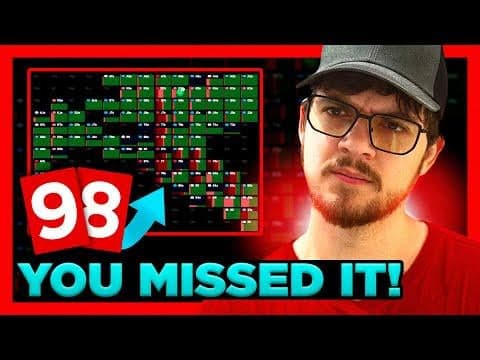
Why Pros Simply Bluff Better
In my professional career, I’ve had the chance to spend thousands of hours exploring theory, solutions, and mass data. I am a massive nerd. **Something piqued…
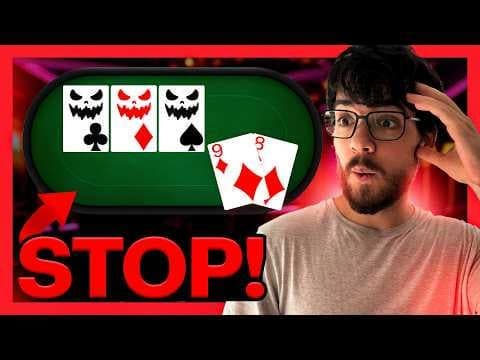
Why Most Players Burn Money CBetting High Boards
Yesterday I made a strategy post about [defending vs check-raises,](https://www.reddit.com/r/Poker_Theory/comments/1m4sg0j/fear_is_costing_you_stacks_vs_checkr…
The 3Bet Turn Barrel is a GOLDMINE.
# Chances are, you aren’t barreling enough in 3bet pots. In my [previous article,](https://www.reddit.com/r/poker/comments/1ndvcbd/regs_almost_never_bluffraise…
Regs almost NEVER Bluff-Raise Rivers: it’s a Massive Leak.
# Almost every single reg doesn’t bluff-raise rivers often enough. That’s not an opinion – that’s simply the results of extensive database analysis. **But chec…
Pro Exploit: How to Crush Fish Who Donk
Hey, it’s Gleb again! Following up on a [previous article I wrote here](https://www.reddit.com/r/poker/comments/1m5scth/why_most_players_burn_money_cbetting_hi…
Is this a massive punt? (High Stakes Review)
A high-stakes river donk spot that looks wild at first glance, but becomes more interesting once you connect mass data to theory.
Fear Is Costing You Stacks vs Check-Raises
I’ve been digging deep into SRP spots where BTN cbets and BB check-raises, especially on **low flops** (e.g. 742r, 963r). This is one of the most misunderstood…
Call the Turn, Steal the River (Article)
Playing in position is incredibly powerful in poker: here’s one move that works even better in practice than in theory. Put yourself in the following spot: * Y…
Bluffing in 3Bet Pots SUCKS (Sometimes)
So… [in my previous article,](https://www.reddit.com/r/poker/comments/1nfj9xv/the_3bet_turn_barrel_is_a_goldmine/) you saw that people often over-fold the rive…
What a Downswing Actually Does to Your Brain (Part 10)
A big downswing affects much more than your graph. It changes stress levels, confidence, motivation, and the way you interpret the game.
Poker Burnout Doesn’t Start When You Want to Quit (Part 9)
Burnout usually starts long before a player openly says they want out. It builds slowly while looking like commitment.
The Thoughts Quietly Destroying Your Poker Winrate (Part 8)
Poker players often act as if their worst mid-session thoughts are facts. That mistake causes more damage than most people realize.
Play Anxiety: The Leak That Looks Like Playing Solid (Part 7)
Some of the safest-looking poker decisions are not disciplined at all. They are fear-based compromises that quietly cost winrate.
How to Take a Shot in Poker Without Punting (Part 6)
Shot-taking is not just about bankroll rules. It is also about building a process that keeps your emotions from hijacking the attempt.
Why Moving Up in Stakes Feels So Scary (Part 5)
Plenty of players are technically ready to move up before they are emotionally ready. That gap matters.
The If-Then Habit That Prevents Spew Sessions (Part 4)
Most players try to stay focused with vague promises. A better way is to pre-decide what you will do when common problems show up.
Your Bad Poker Days Aren’t Laziness (Part 3)
Some poker days feel sharp and focused. Others feel foggy and wasteful. That does not automatically mean you are lazy.
How to Stop Tilt During a Poker Session (Part 2)
If you notice tilt while you are still playing, you need an in-session reset that works under pressure.
Why Good Poker Players Still Tilt (Part 1)
Tilt is not just a low-stakes discipline problem. Strong players tilt too, and there is a psychological reason for it.